Sometimes, you want to give customers a reason to keep buying from you. In order to cultivate customer loyalty, some businesses will offer exclusive discounts to customers who consistently make purchases.
This approach is commonly referred to as a loyalty program.
Loyalty programs, when done right and with the customer in mind, can make your customers happy about buying from you. There are various customer loyalty programs available to boost customer involvement.
The program you opt for should align with your mission, product, and goals for rewarding your customers.
Read on to learn how and why customer loyalty programs work, plus see examples from well-known brands.
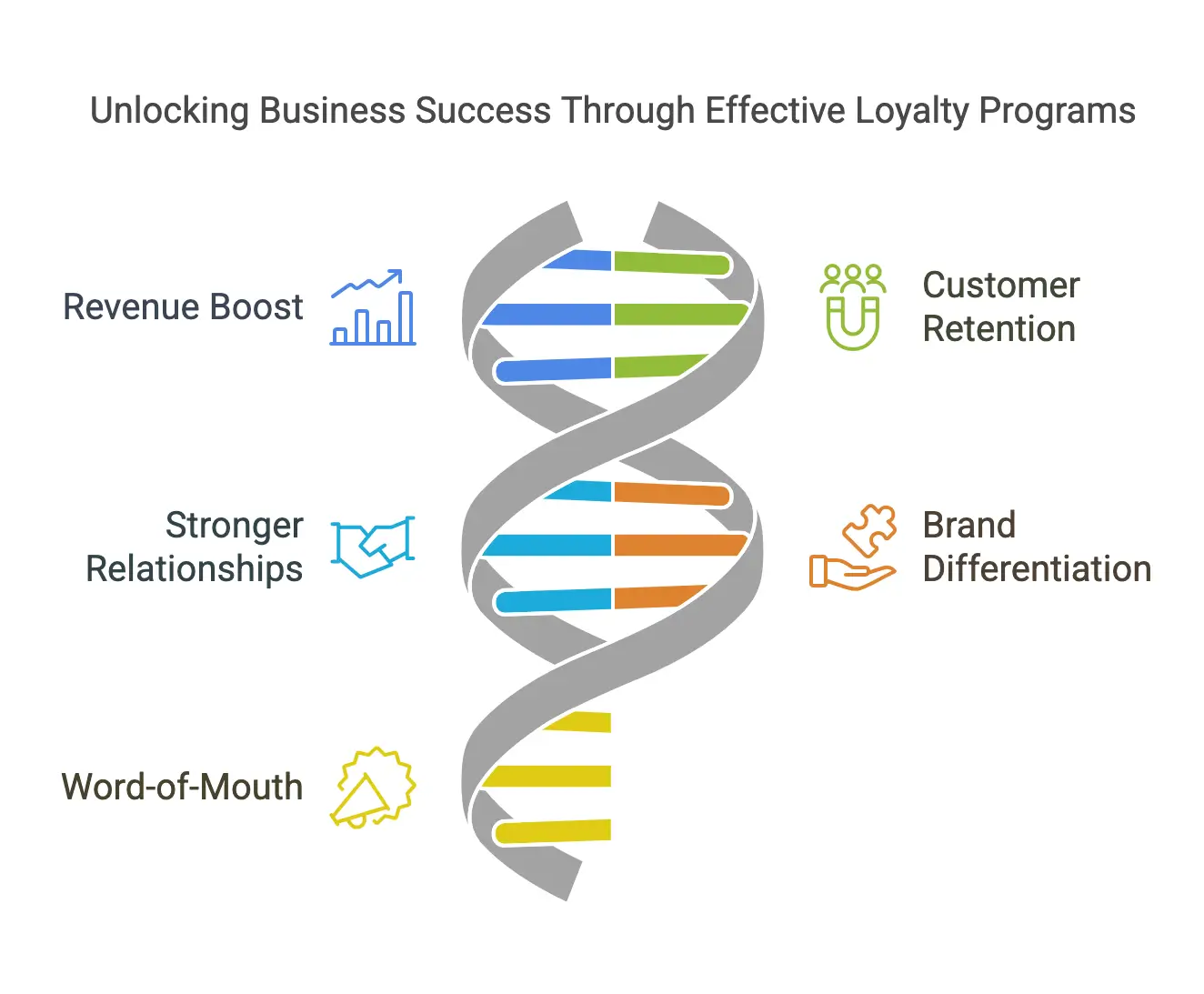
Benefits of a Customer Loyalty Program
A well-designed customer loyalty program can provide several benefits for your business, including:
- Boost revenue
- Improve customer retention and customer lifetime value
- Build stronger customer relationships
- Differentiate a brand from its competitors
- Encourage word-of-mouth marketing
- Show customers that you appreciate them
- Motivate customer behaviour
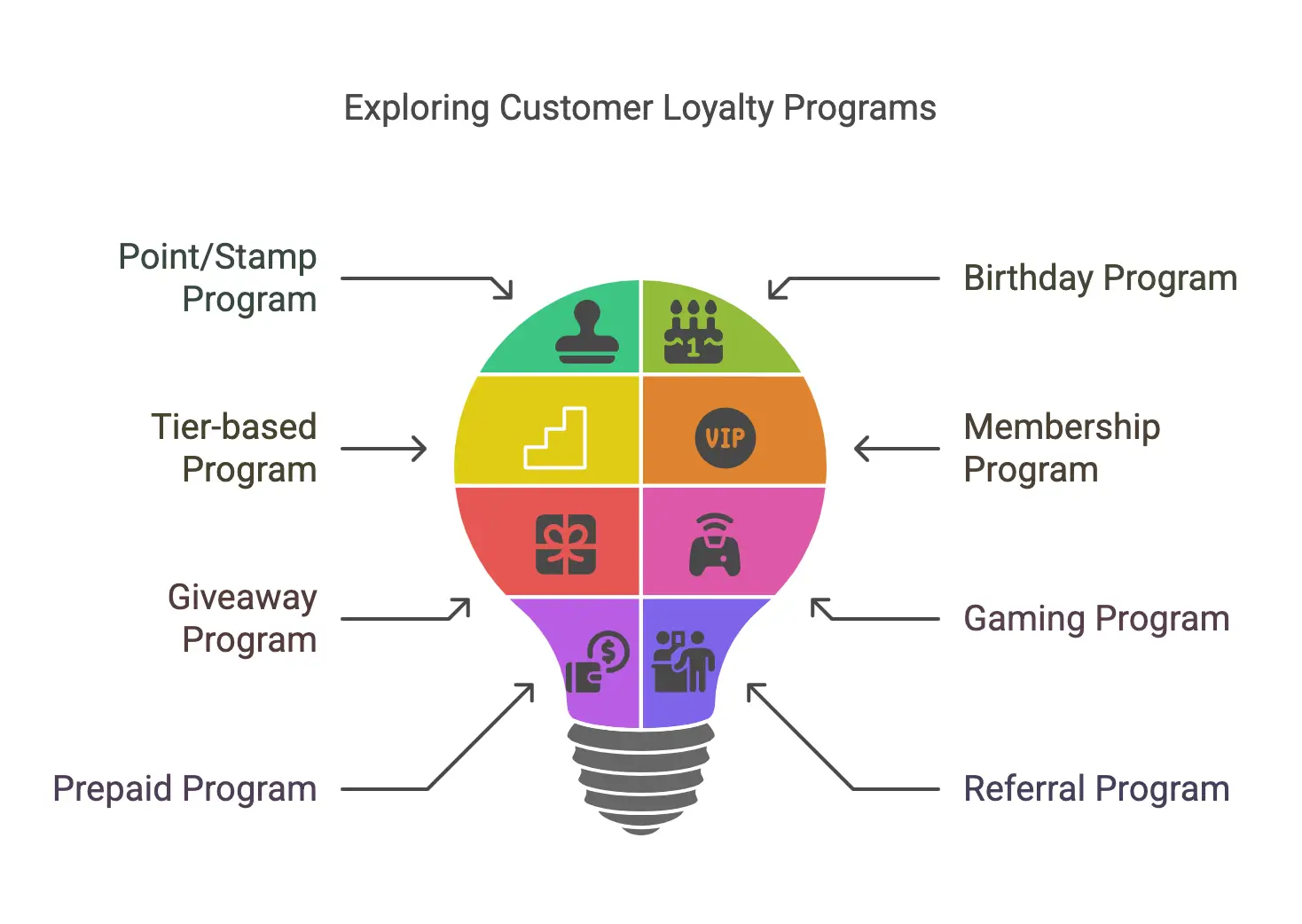
Types of Customer Loyalty Programs
There are several types of customer loyalty programs that your business can take advantage of. The right program depends on your business model, customer behaviour and marketing objectives.
Point / Stamp Program
Customers earn points or stamps when they make purchases and can redeem them for rewards.
Birthday Program
Customers receive special rewards or offers around their birthday.
Tier-Based Program
Customers progress through different membership levels based on their purchases or engagement.
Membership Program
Customers join a membership program to receive exclusive benefits and privileges.
Giveaway Program
Customers participate in campaigns or activities for opportunities to receive rewards.
Gaming Program
Businesses use games, challenges or other interactive experiences to encourage engagement.
Prepaid Program
Customers purchase prepaid credit and receive additional benefits or bonus value.
Referral Program
Customers receive rewards for referring new customers to the business.
Cashback Program
Customers receive part of their purchase value back as cashback or credit.
5 Successful Customer Loyalty Program Examples
Looking to implement a loyalty program but need some inspiration first? Check out these examples of innovative customer loyalty programs from well-known brands.
Marriott
Marriott's loyalty program, Marriott Bonvoy Benefits, enables members to use points for complimentary hotel stays, dining, and various activities.
Additionally, members have the opportunity to accumulate points through car rentals and air travel, transfer points to loved ones, and enjoy complimentary Wi-Fi and exclusive discounts.
Program type: Points program
Why it works: Marriott has the ability to study customer behavior in order to enhance the guest experience. By understanding each guest's preferences, they can provide customized rewards for a more personalized stay.
DSW
DSW’s customer loyalty tier program helps create a vibe of exclusivity. The tiers are based on consumer buying behavior and include rewards like free shipping and extra points for donating unwanted shoes.
Tiers include:
- Club: The initial tier every customer begins with.
- Gold: Achieved when the customer spends $200 on eligible purchases.
- Elite: Achieved when the customer spends $500 or more on eligible purchases.
Program type: Tier-based program
Why it works: It offers a structure that customers can rely on for months or even years at a time and gives customers a goal to strive for.
DoorDash
With DoorDash’s membership program, customers can become DashPass members for a small monthly fee.
In exchange, they get free delivery for a wide range of restaurants, so customers who use the app often ultimately save on orders.
Program type: Membership program
Why it works: Regular customers only need to pay a small price to enjoy exclusive benefits with the brand.
Starbucks
Starbucks is known for its gaming program that incentivizes customers to make a purchase.
For example, customers earn two “stars” for every dollar spent, rewarding those who spend more money during shorter periods. However, it doesn’t stop with stars.
The coffee giant also introduced a tier component that expands the points program, allowing customers to redeem their stars for items beyond cups of coffee, like an extra espresso shot or free merchandise.
Customers play the game on a mobile app, which Starbucks also uses to notify customers of opportunities to earn extra points.
Program type: Stamp Program + Gaming program
Why it works: It encourages future purchases by making the points process more fun and keeping customers engaged.
Expedia
With Expedia Rewards, travelers can save around $35 per hotel or flight booking through points earned.
The three-tier program allows customers to earn more perks and rewards depending on how often they travel.
- Blue tier: Gain access to savings that include an extra 10 percent off hotels, and receive double points when you book through the Expedia app.
- Silver tier: Get two points for every $1 spent, plus free breakfast and spa credits after earning 10 Trip Elements.
- Gold tier: Get 3 points for every $1 spent as well as late checkout and free room upgrades.
Program type: Tier-based program
Why it works: It incentivizes customers to book all travel through Expedia.
How to Create a Customer Loyalty Program
Creating a successful customer loyalty program starts with understanding your business goals and your customers. The key steps include:
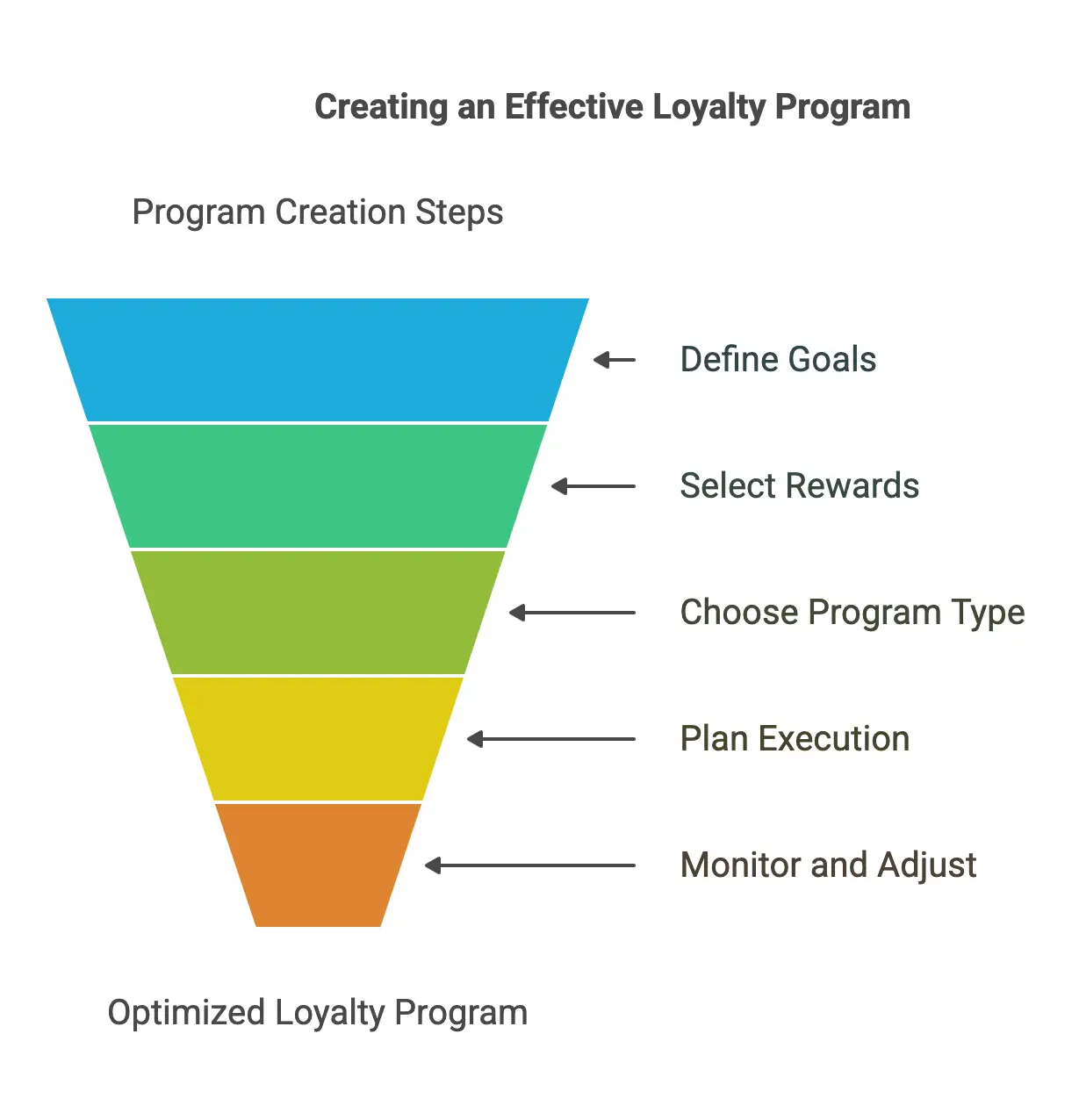
Figure Out Your Goals
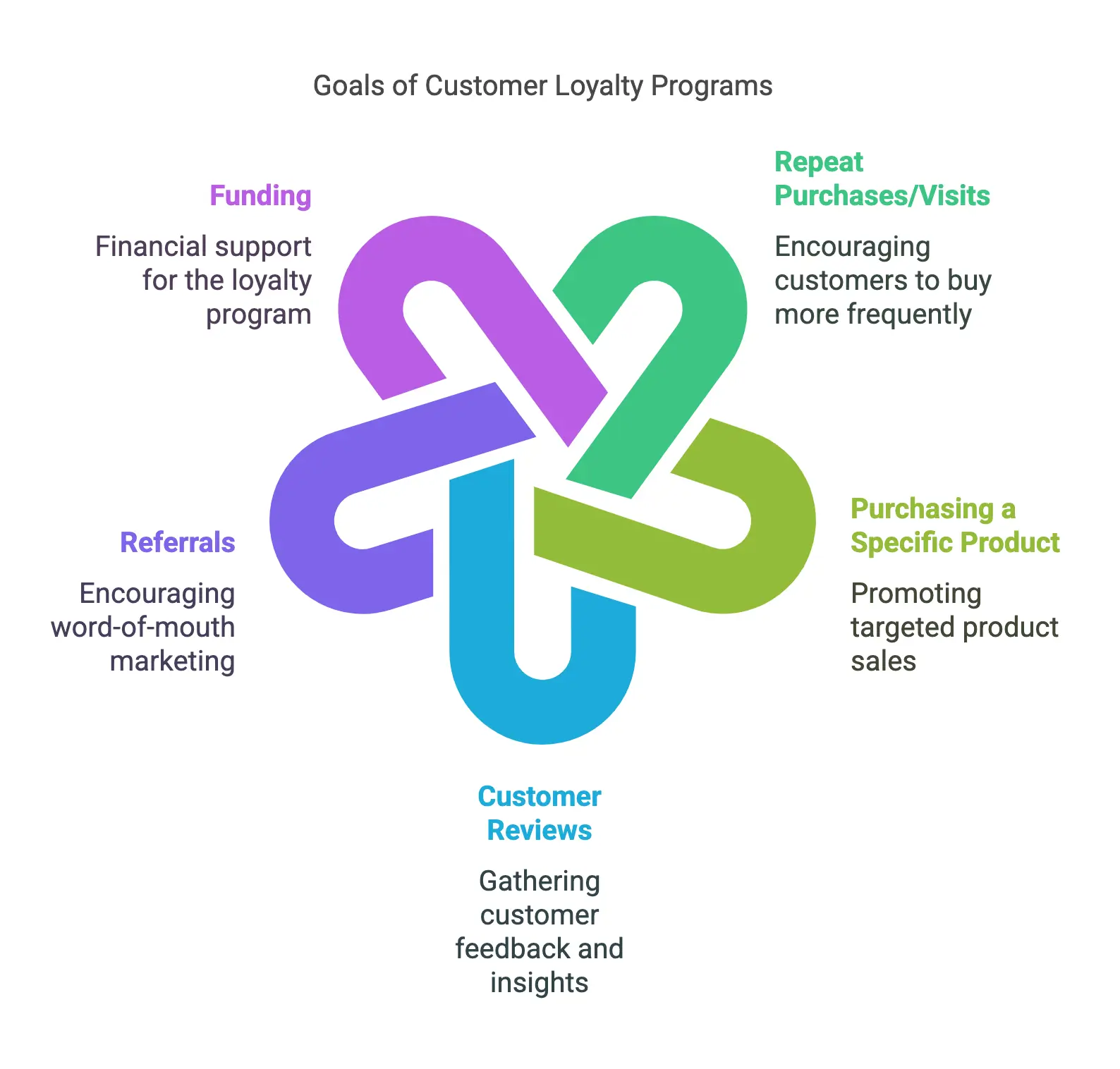
The first step in developing a customer loyalty program is to determine what you want to get out of it.
This includes setting goals, such as the type of shopping behavior you want to promote:
- Repeat purchases / visits
- Purchasing a specific product
- Customer reviews
- Referrals
- Funding
Once you identify the areas of your business that you want to target, you'll be able to decide on your program type.
Choose the Type of Reward
Next, pick the reward you want to offer to customers. Bear in mind that you’ll want to make your reward desirable enough to keep customers interested, encourage repeat purchases, and foster brand loyalty.
Types of rewards can include:
- Cash voucher
- Discount voucher
- Product / Service voucher
- Prepaid Credit
Select the Type of Loyalty Program
Choose the type of customer loyalty program that best aligns with your goal and marketing plan.
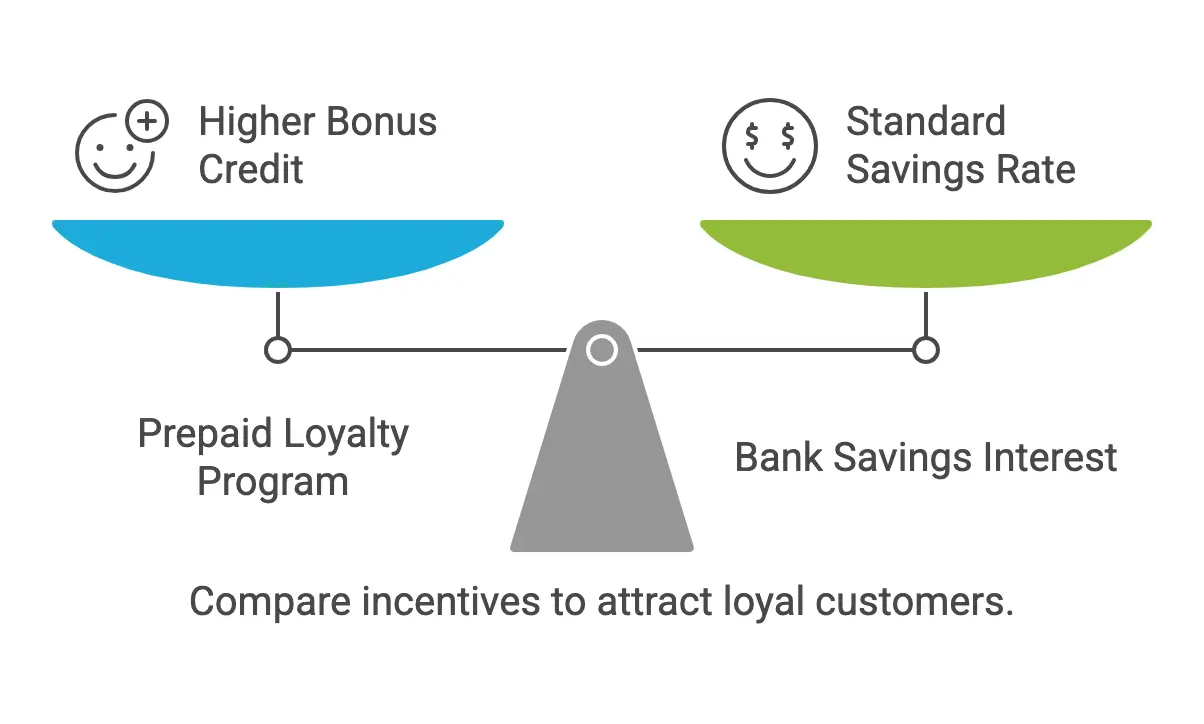
For example, if you want to raise funding, you can launch a prepaid program to customers who trust and love your brand. You can offer extra bonus credit as a return.
Decide How You Want to Run Your Program
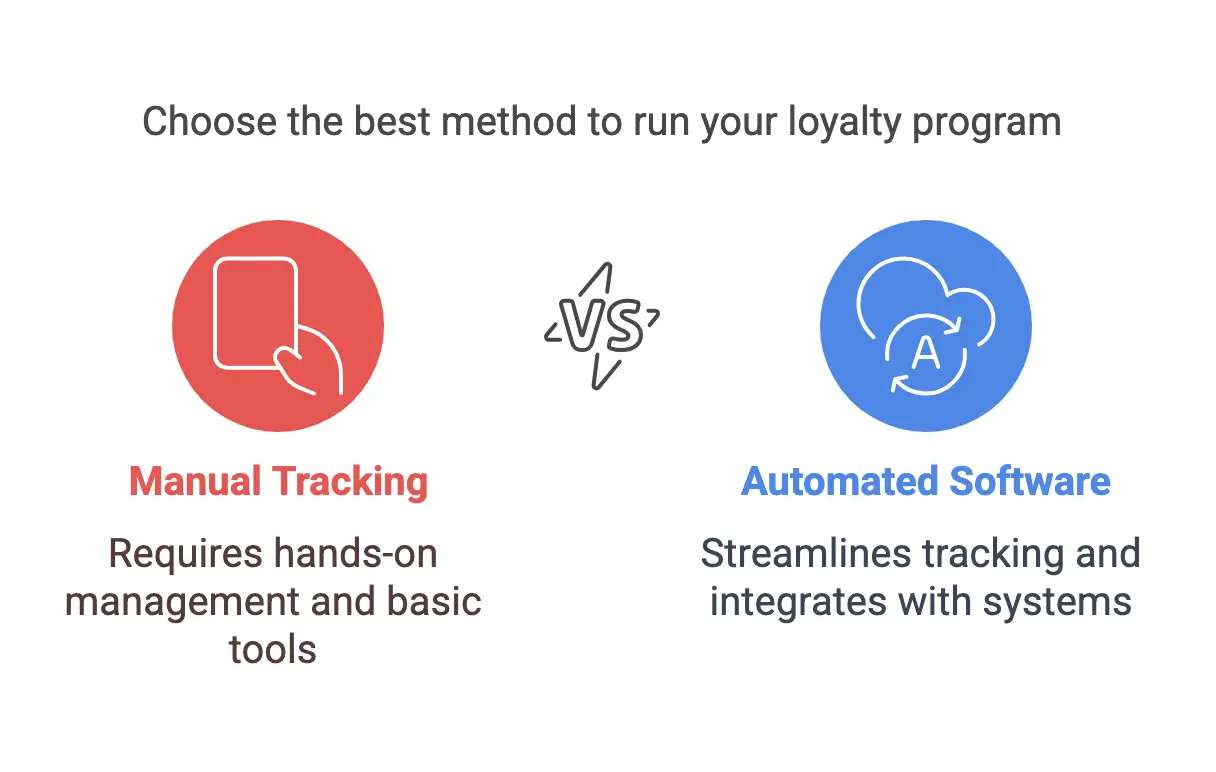
After you choose the type of program you want, determine whether you want to run your program manually or with software.
Running your program manually would require you to track customer behaviours by hand and reward them based on your structure, such as with a punch card.
It's much easier to track this data using automated software, especially one that integrates with other tools, such as your POS system.
Observe and Fine Tune
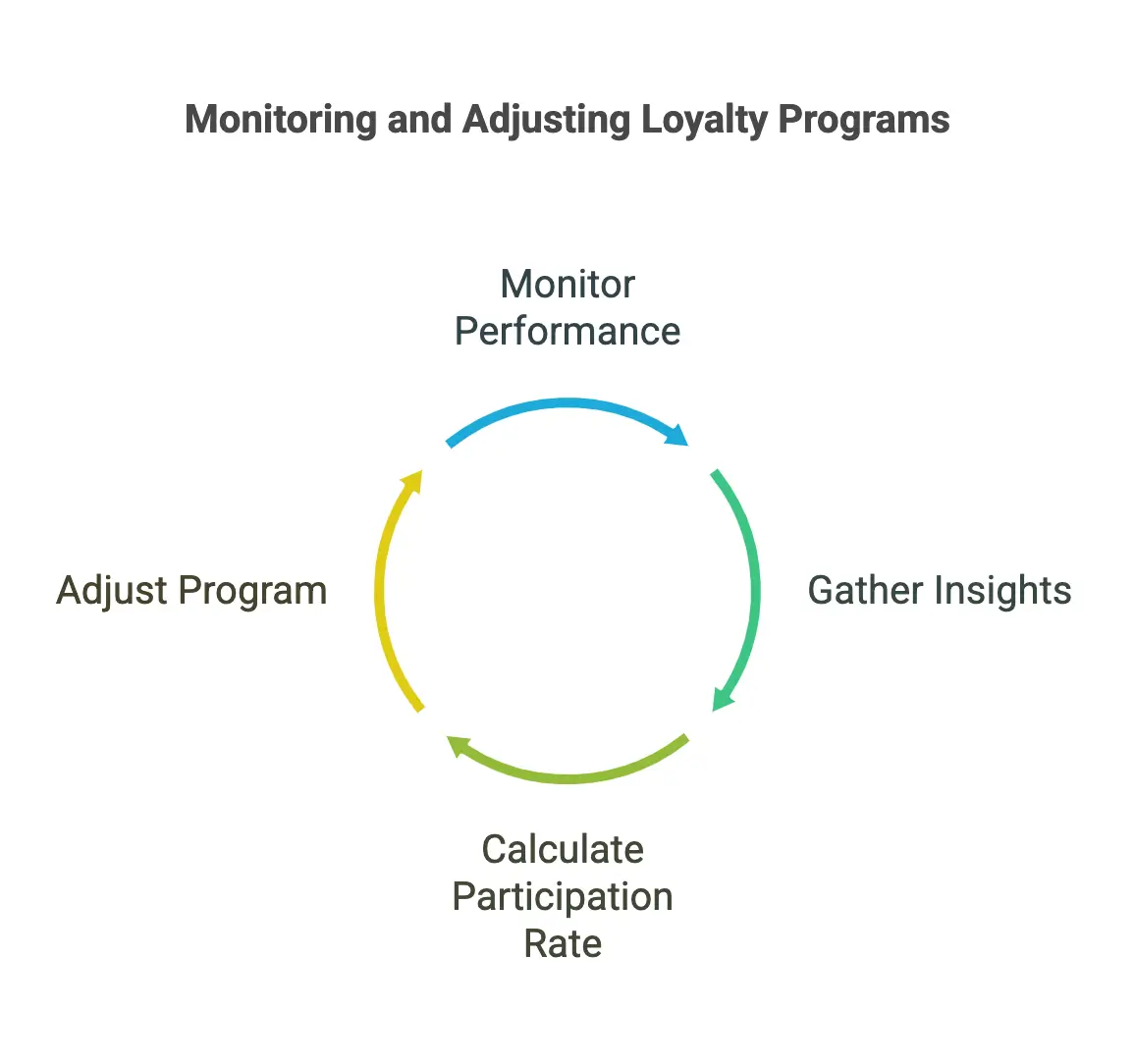
Lastly, be sure to monitor how your customer loyalty program performs and adjust based on what you see and any feedback you receive.
You can gather insights from your customer loyalty program software or calculate the program participation rate.
Monitor Your Participation Rate
The participation rate shows you how many customers are interested in your program. To calculate this metric, divide the number of loyalty program members by the total number of customers.
Conclusion
A customer loyalty program can give customers a reason to continue buying from your business while helping you build stronger and longer-lasting relationships.
From points and stamps to memberships, tiers, referrals and prepaid programs, there are many different approaches businesses can take.
The most effective approach is to choose a program that aligns with your business goals and customer needs.
A successful loyalty program is not simply about giving away rewards. It is about creating a reason for customers to keep coming back.
Turn Customer Insights Into Growth
Augmigo helps businesses understand their customers, engage the right audience and build smarter customer growth strategies.
Talk to Us